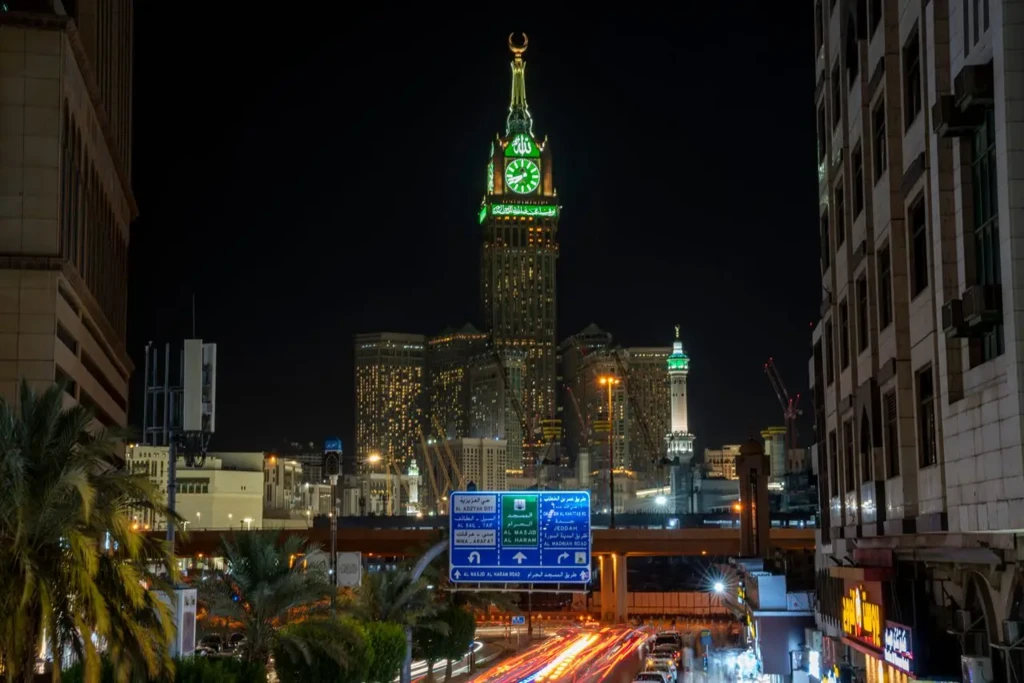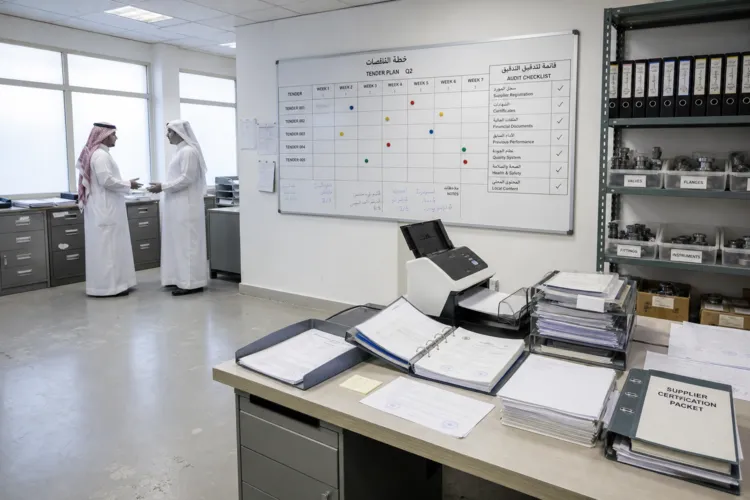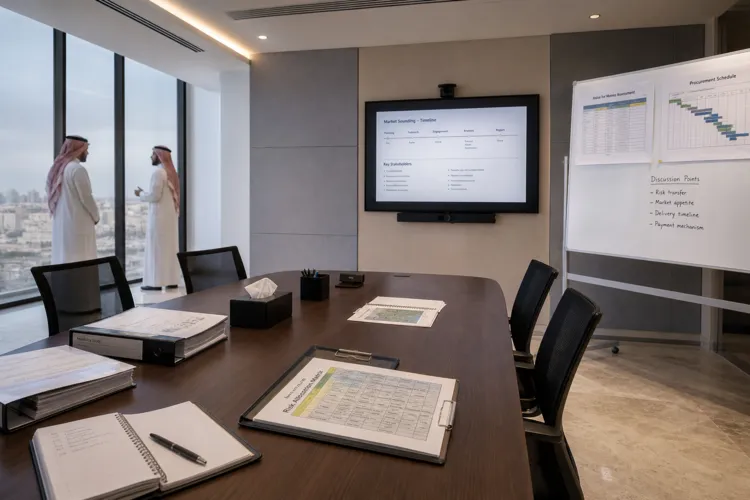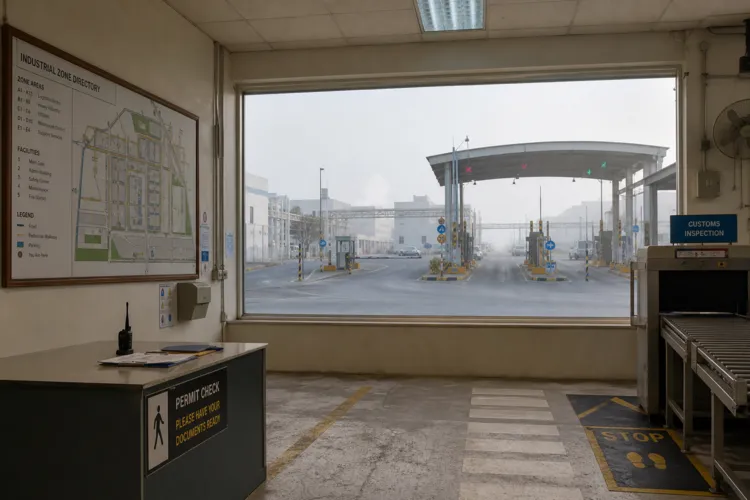
Integrated logistics zones in Saudi Arabia sit at the intersection of warehousing, customs, and multimodal transport. For investors, the first screen should be demand resilience. IMARC estimates the Saudi Arabia logistics market reached USD 55.29 billion in 2025 and projects USD 83.41 billion by 2034 at a 4.67% CAGR during 2026–2034. Within this landscape, 3PL held a 46.12% share in 2025, aligning with rising outsourcing for integrated transport, warehousing, and last-mile delivery. Region also matters: IMARC notes the Western Region accounted for 27.4% in 2025, supported by Jeddah Islamic Port handling over 65% of imports. That import intensity can translate into steady throughput for nearby warehousing, cross-dock, and value-added services.
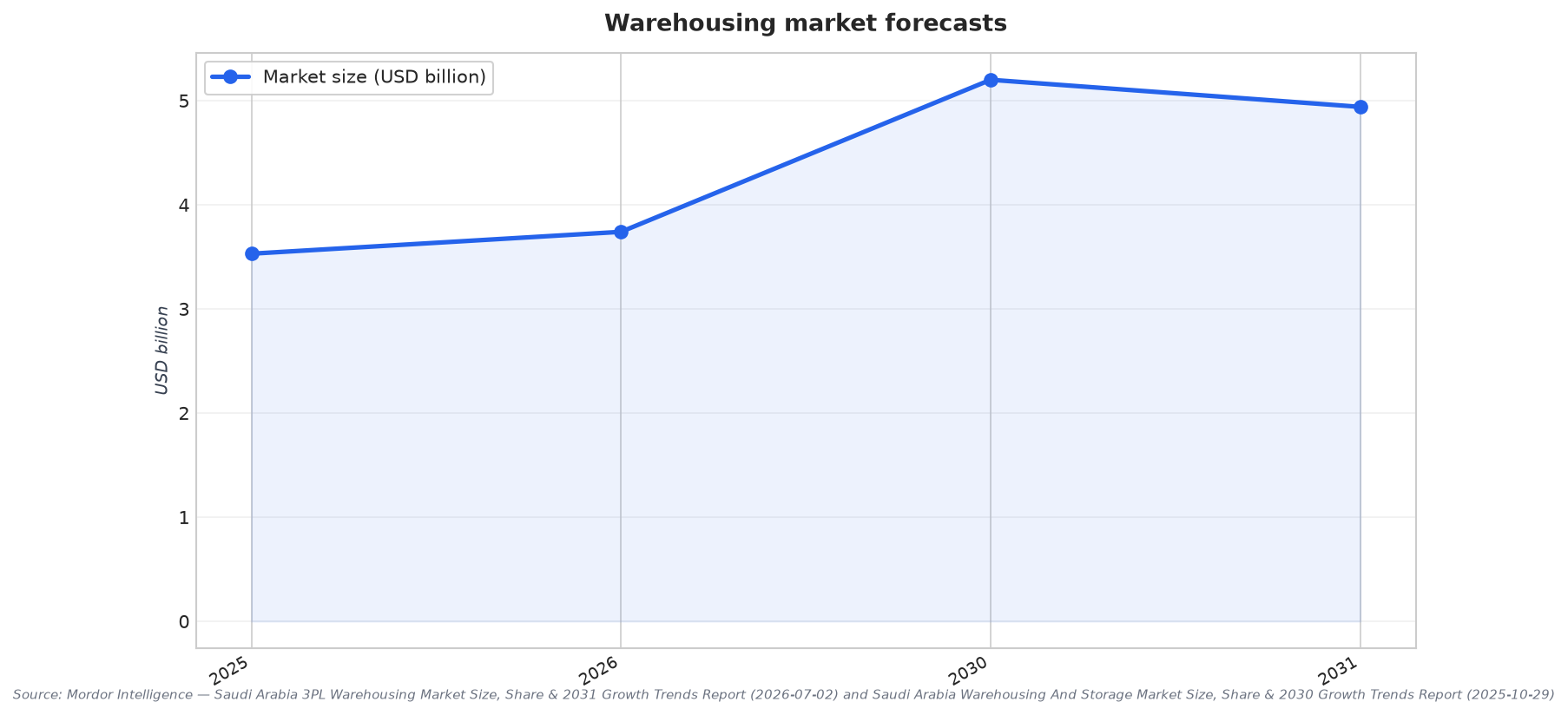
Warehousing-specific indicators can sharpen site selection inside a zone. Mordor Intelligence puts the Saudi Arabia warehousing and storage market at USD 3.88 billion in 2025, forecasting USD 5.20 billion by 2030 at a 6.04% CAGR. A parallel view from Mordor’s 3PL warehousing lens values the market at USD 3.53 billion in 2025, estimates USD 3.74 billion in 2026, and forecasts USD 4.94 billion by 2031 at a 5.71% CAGR. Segment growth expectations matter for underwriting: bonded warehousing is projected to grow at a 7.72% CAGR, while temperature-controlled warehousing is projected at a 9.43% CAGR. Real projects also signal demand direction, such as SAL Logistics Services’ 45,000 sqm warehouse and distribution center launched in October 2025 at The Logistics Park in southern Riyadh, adding integrated office space and a Transport Control Tower Hub.
How to Evaluate Incentives and Zone Mechanics Before You Build
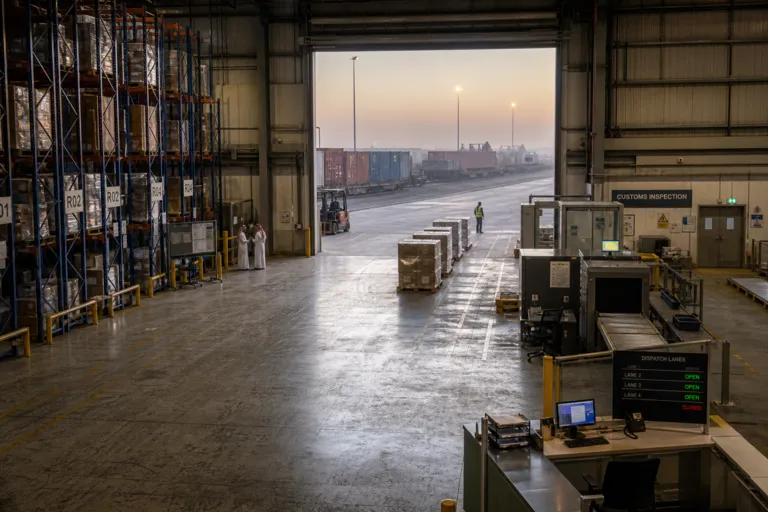
Incentives are not all equal, so investors should map them to the cash cycle of their target tenants. Draft regulations published in April 2026 describe Central Bonded Zones and Dedicated Bonded Zones, creating both shared and investor-controlled options for customs-sensitive cargo. Mordor also notes that re-export logistics centers had expanded to 23 by 2024, which suggests bonded and re-export activity is an established direction that new incentives can reinforce. On the airport side, Mordor’s freight and logistics coverage describes the Special Integrated Logistics Zone at King Khalid International Airport as spanning 32 million ft² and offering duty-deferred storage and automated clearance, with average e-parcel customs release times below two hours. It also cites the national LOGISTI single-window and notes VAT is applied only on fulfilled quantities. For foreign capital, Mordor’s warehousing report links investment appetite to 100% ownership liberalization, specialized zones with tax perks, and Vision 2030 export ambitions.
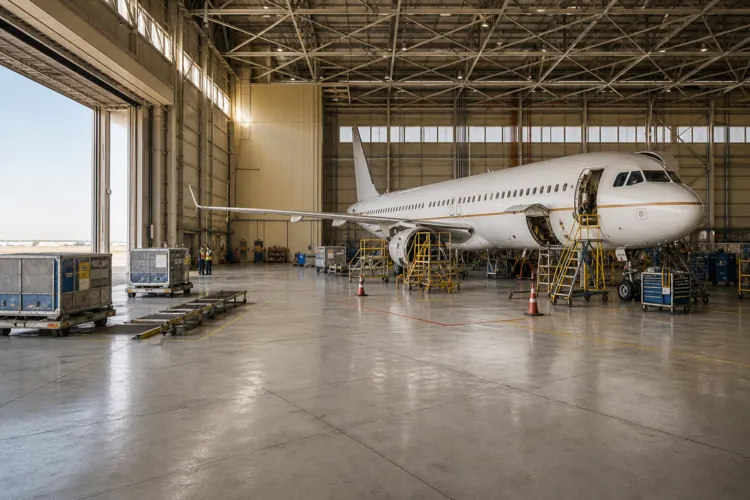
Lease terms and anchor commitments can validate whether an incentive package is converting into real absorption. Makreo reports DHL Supply Chain signed a land lease agreement with the Special Integrated Logistics Zone at King Khalid International Airport for a €130 million (SAR 560 million) 78,000-square-metre multi-user facility, including 53,000 square metres of warehouse space, under a 26-year term; construction began in Q1 2026 for completion in Q2 2027. In Riyadh, Makreo notes DP World opened its first multi-client 3PL warehouse in Saudi Arabia on 30 July 2026: a 15,250-square-metre facility with more than 17,000 pallet positions at Al Mashael Logistics Hub, designed for multiple sectors and adaptable for temperature-controlled operations as demand increases. These data points help investors benchmark tenant quality, term length, and fit-out sophistication against the zone’s customs and connectivity proposition.
Rail connectivity is the final filter because it shapes how a warehouse performs as a transfer buffer between modes. Mordor cites 1,018 km of operational rail and expects expansion through the USD 100 billion Gulf Railway, syncing Dammam port and Ras Al Khair with UAE and Oman networks, and ultimately African networks. The same source says the corridor can bypass Suez congestion, trimming transit times on Mumbai–Europe lanes by up to eight days. For inland nodes, Mordor also references a Vision 2030-linked PPP pipeline: 59 inland logistics centers covering 100 million m², using 30-year concessions plus tax holidays and utility rebates, and notes Riyadh Dry Port processes 950,000 TEUs annually with on-site bonded storage. For an investor weighing Saudi logistics zones investment, the practical test is whether a site can win intermodal volumes, not only local delivery demand, and whether its bonded design matches the rail-and-port flow patterns it aims to capture.
What metrics best indicate warehousing demand in Saudi integrated logistics zones?
Which incentives matter most for bonded and e-commerce-oriented facilities?
What real projects show demand for zone-based multi-user warehousing?
How should investors evaluate rail connectivity when underwriting a warehouse?
How can Saudi logistics zones investment be screened for location risk?
Talk to us for your needs in:
-
Economic & Social Impact Assessment
-
Environmental Impact Assessment & ESG
-
Market Entry Strategy
-
Business Model Transformation
-
Project Management Office (PMO)
-
Site Selection Advisory
-
Risk Assessment
-
Operational Excellence
-
Supply Chain Analysis
-
Feasibility Study
-
Growth Strategy
-
Mergers & Acquisitions (M&A)